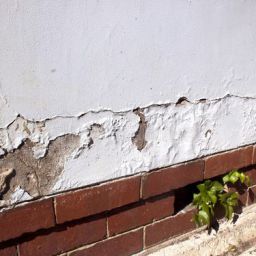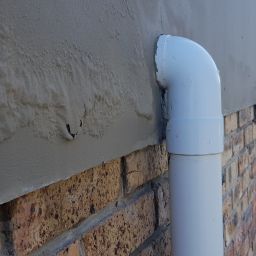

In new buildings, your cracks could be as a result of settling
cracks.
New builds contain a high level of moisture and tend to move slightly, as
it dries out, so small wall cracks are common in newly built homes. These
can also be referred to as drying cracks.
Generally a newly built and painted house, will require crack repairs, and certain sections repainted after the first year due to settling cracks. On exterior walls that are exposed to the elements, it is advised to not leave these for longer, as
further issues will develop when moisture is drawn in.
Hairline cracks
Houses of any age, move and shift very slightly over time, and the
weakest area in a wall is the most likely to crack.
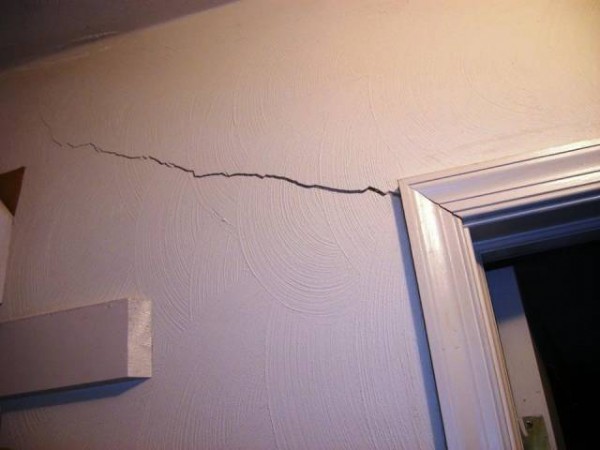
A wall is constructed with horizontal layers of brick, that extend from floor to ceiling. The layers are less however, where a door or a window are installed. While the builder adds an extra concrete lintel to support the brickwork above,
these areas are still weaker than the rest of the wall, and when settling
occurs, these spots are often the first to develop cracks.
Hairline cracks across walls and doorways do not indicate a structural problem, they should simply be repaired and repainted.
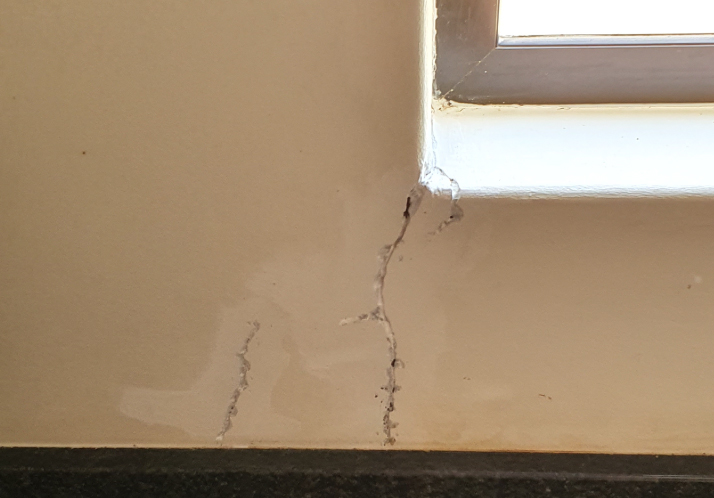
Structural cracks
These are generally larger and easily distinguished between other
kinds of cracks. Large, stair step or diagonal cracking would
usually indicate a structural issue.
Stair step or diagonal cracks are an indication that the foundation may
have slightly shifted or sunk, or another problem has occurred, allowing
movement of the structure.
A horizontal floor level crack is a common issue on houses. A builder will
generally install an expansion, or v joint, in order to hide this crack when
it occurs. They are no cause for concern, but constantly visible if they do
not crack within the expansion joint.
The last and most commonly seen structural crack, is one that occurs
where a new section of house , or a wall, is added on to an existing
structure. A crack will often develop due to a foundation issue, and if the
2 structures are not correctly amalgamated.
There are no quick fix guarantees to these kinds of cracks, however we
have a few options that are inexpensive and have worked for our clients.
Map cracks
Map cracks are made up of a series of cracks running at various angles
that will spread across a plastered wall.
They are deep and usuallypenetrate entirely through the plaster.
These cracks are generally as a result of poor bonding between the brick
and the plaster as a result of poor workmanship or inferior plastering
materials used.
No easy way to repair, other than to remove damaged plaster and replaster the area.
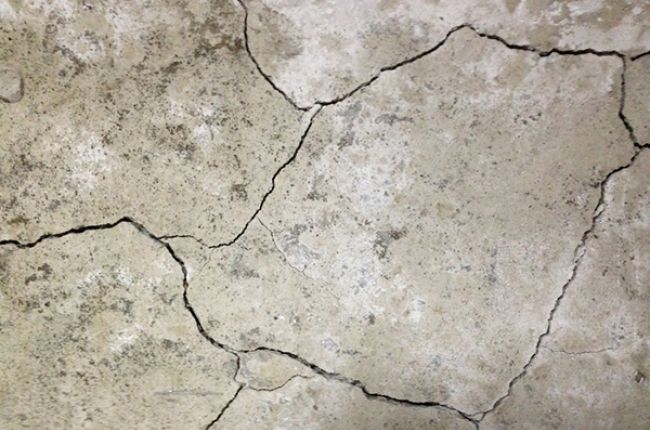

Crazing cracks
Often confused with map cracking, however are fine and less noticeable
than map or structural cracks.
Crazing cracks do resemble map cracks, yet the cracks themselves are finer, and the area they are spread across, is generally smaller. They do not go entirely through the plaster and occur on exterior walls susceptible to higher heat from the sun.
Once the cracks have broken the seal of the paint work, they begin to draw in moisture, causing further cracking and discolouration of the area.